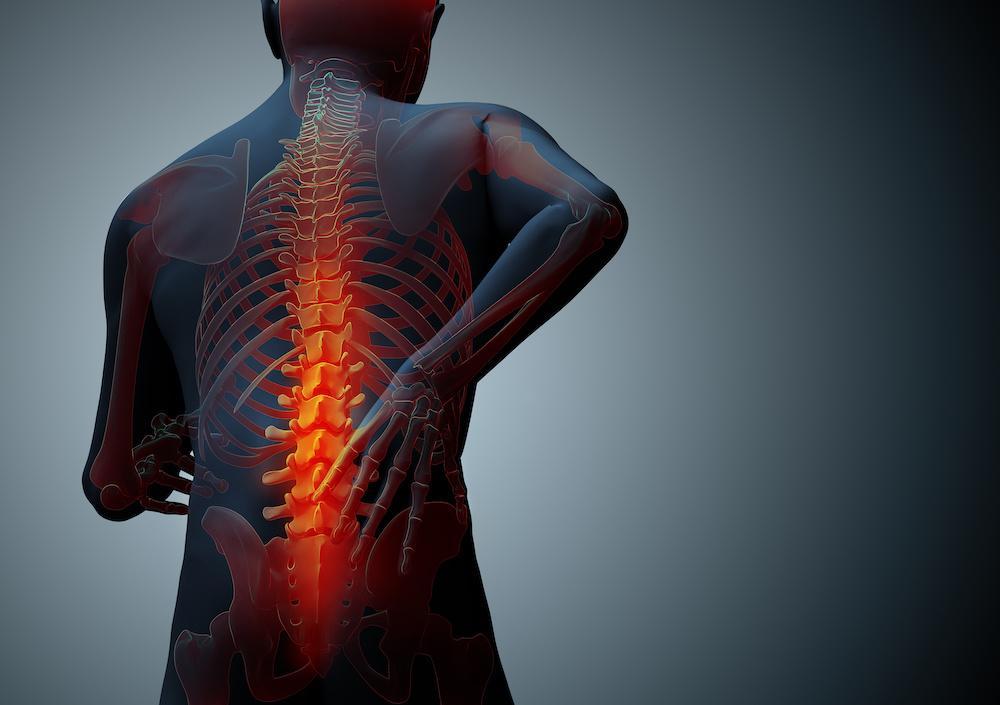
When pain dictates how far you can walk, how long you can sit, or whether you can get through the day comfortably, it affects far more than your physical health. And when medication, rest, or physical therapy fails to deliver enough relief, frustration can quickly set in.
Fortunately, treatment options extend beyond traditional approaches. Advanced interventional pain management offers targeted procedures to reduce discomfort, improve mobility, and help you regain a greater sense of control over everyday life.
Personalized pain management is what we do best here at Pain Care LLC. Our multispecialty team considers your medical history, previous treatment, and current symptoms before tailoring a treatment strategy to meet your needs. Our expertise includes some of the most advanced nonsurgical therapies available for chronic pain.
Every case is different, but here’s a partial list of what our specialists consider as we build your treatment plan at one of our six Georgia locations.
First, we identify what's causing the pain
Although sciatica and joint pain can both limit movement, they stem from different causes.
For instance, sciatica occurs when the sciatic nerve or its roots become irritated or compressed, often due to a herniated disc or age-related spinal changes.
With sciatica, pain may travel from the lower back through the buttock and down the leg, sometimes with tingling, numbness, or weakness.
On the other hand, joint pain follows a different pattern. Osteoarthritis, inflammation, cartilage damage, and previous injuries can affect any joint, including the knees, hips, spine, and shoulders, making movement uncomfortable or stiff.
Why does this distinction matter? Because lasting improvement starts with understanding the source of the problem.
Our pain specialists evaluate your symptoms, perform a physical examination, review previous treatments, and recommend imaging when appropriate to determine which treatments are most likely to help.
When sciatica persists, epidural steroid injections may help
Once irritated spinal nerves are identified as a likely source of symptoms, an epidural steroid injection may be an option.
Using imaging guidance, your Pain Care physician delivers corticosteroid medication into the epidural space near the affected nerve roots. The medication helps reduce inflammation, which may ease radiating leg pain.
For some patients, relief lasts weeks or months; others experience less benefit. Although the injection does not correct every underlying spinal problem, it may create a valuable window of opportunity to walk more comfortably, sleep better, and participate more fully in physical therapy.
For people whose sciatica continues despite initial conservative treatment, that improvement can make the next stage of recovery more manageable.
For certain types of chronic pain, radiofrequency ablation offers another option
Sciatica is not the only condition that may respond to targeted procedures. Chronic pain arising from specific nerves around the spine or knee may also be treated with radiofrequency ablation (RFA), also known as radiofrequency neurotomy.
During this minimally invasive procedure, controlled heat disrupts selected sensory nerves that transmit pain signals. Studies indicate that up to 80% of individuals who undergo RFA experience significant results that may last for several months.
Before treatment, we may use a diagnostic nerve block to establish whether targeting a particular nerve is likely to help. RFA does not rebuild damaged cartilage or reverse arthritis. Instead, it aims to reduce pain and improve function while we manage the underlying joint condition.
Targeted injections and nerve stimulation expand the possibilities
Not every patient needs the same intervention, even when symptoms appear similar. Depending on the diagnosis, your Pain Care specialist may recommend an injection directly into an affected joint or a targeted nerve block to help identify and manage a particular pain source.
When pain remains difficult to control, peripheral nerve stimulation may be another consideration. This treatment uses electrical impulses to influence pain signaling along selected peripheral nerves.
The key is choosing a procedure for a clear clinical reason. A treatment that works well for one condition may offer little benefit for another, so individualized assessment remains essential.
Build a pain management plan around your goals
Interventional procedures are often most useful when they support a broader pain management strategy. Depending on your condition, that plan may include physical therapy, appropriate exercise, medication management, and practical adjustments to daily activities.
If you need advanced options, our Pain Care team offers a range of treatments to manage chronic pain effectively. From spinal cord stimulation to injection-based therapies to minimally invasive disc treatment, we tailor treatment to meet your specific needs.
Schedule an evaluation at Pain Care today.